Written by NextGenAuto Team — based on real commuting experience and NHTSA/fueleconomy.gov data. Last updated June 2026.
Updated June 2026Quick Answer
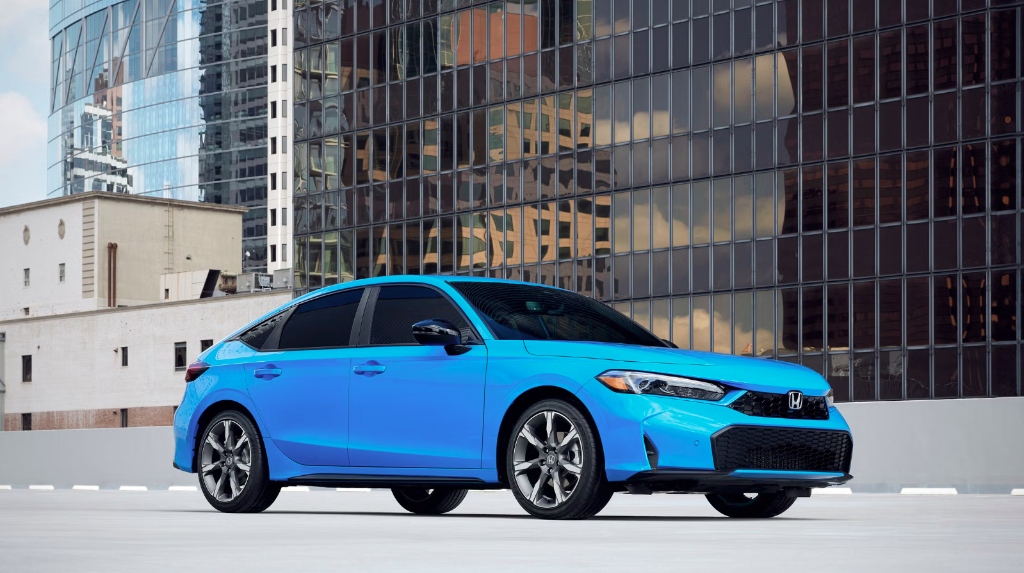
Best commuter car: compact hybrid sedan (Civic Hybrid, Corolla Hybrid) — 50+ mpg, smooth ride, reliable for 200k+ miles. you'll save $500-800/yr on gas vs a non-hybrid.
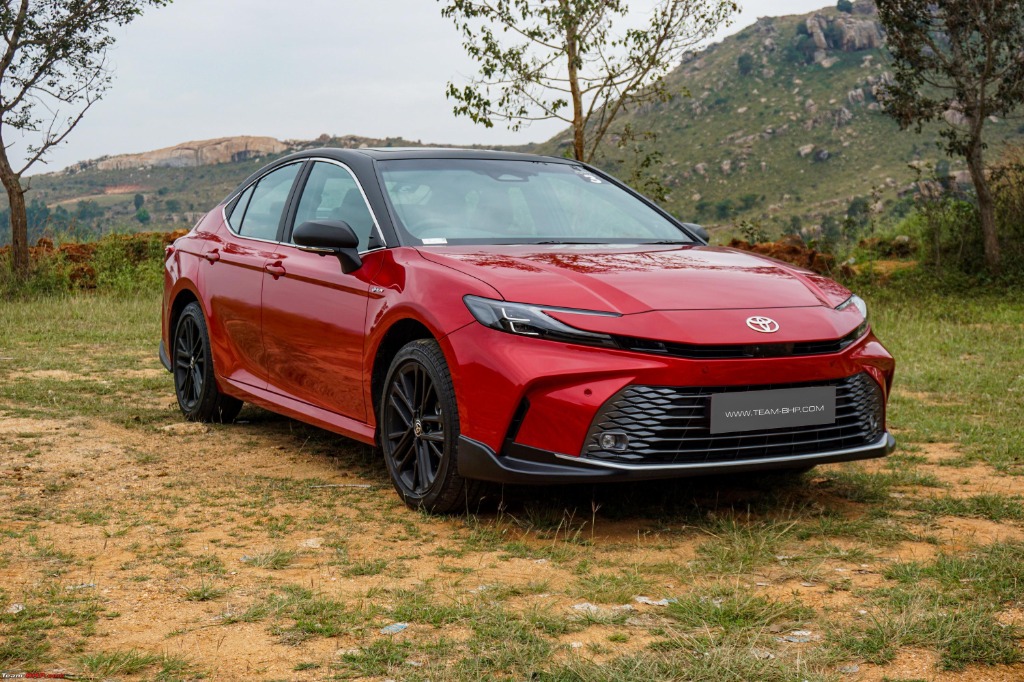
Long highway commute? midsize sedan (Camry Hybrid, Accord Hybrid) — quieter cabin, better seats, 45+ mpg. worth the extra $2-3k if you're on the highway 30+ min.
Pro tip: get adaptive cruise control — it's a game-changer for highway commuting. most 2026 models have it standard.
What Makes a Car Good for Commuting
The best commuting vehicles balance several practical factors that matter when you drive daily. No single feature makes a car ideal for commuting—it's the combination of efficiency, comfort, reliability, and cost that determines whether a vehicle type works well for daily driving.
Fuel Efficiency
Higher fuel economy reduces daily commuting costs significantly when you drive thousands of miles annually. A 5 mpg difference can save $300-$500 per year depending on fuel prices and mileage. Stop-and-go traffic reduces efficiency, making fuel economy even more important.
Comfort in Traffic
Daily commuting often means extended time in traffic. Comfortable seats, good visibility, and smooth ride quality reduce fatigue. Vehicles that are easy to maneuver in tight spaces and have good visibility make stop-and-go traffic less stressful.
Reliability
Breakdowns disrupt work schedules and create costly repairs. Reliable vehicles reduce the risk of unexpected maintenance that leaves you stranded or forces expensive repairs. Consistent reliability matters more than occasional luxury features for daily commuting.
Insurance and Maintenance Cost
Higher annual mileage increases insurance exposure and maintenance frequency. Vehicles with lower insurance premiums and affordable maintenance reduce total ownership costs. These ongoing expenses often exceed fuel costs over time.
Ease of Parking
Many commuters face tight parking spaces at work or in urban areas. Smaller vehicles with good visibility and turning radius make parking easier and reduce stress. Compact vehicles often fit in spaces that larger vehicles cannot, saving time and reducing parking-related damage risk.
Best Car Types for Daily Commuting
| Car Type | Typical Commute Fit | Ownership Cost Impact | Why It Works Well |
|---|---|---|---|
| Compact sedan | Excellent for most commutes | Low to moderate | Good fuel economy, affordable insurance, easy to park. Reliable and practical for daily driving. |
| Hatchback | Excellent for urban commutes | Low | Excellent fuel economy, compact size for parking, low insurance costs. Practical cargo space. |
| Hybrid vehicle | Excellent for longer commutes | Moderate | Superior fuel economy in traffic, lower fuel costs offset higher purchase price over time. |
| Electric vehicle | Good if charging available | Moderate to high | Lowest fuel costs, minimal maintenance. Requires home or workplace charging for practicality. |
| Compact SUV | Good for longer commutes | Moderate to high | More space and comfort, but higher fuel and insurance costs. Best when you need extra room. |
Note: These assessments are based on typical commuting patterns and ownership costs. Actual fit depends on your specific commute distance, traffic conditions, parking situation, and budget. Consider total ownership costs, not just purchase price or fuel economy alone.
Commuting Distance Changes the Best Choice
The ideal vehicle type for commuting depends significantly on how far you drive daily. Short commutes prioritize different factors than long commutes, and fuel, wear, and comfort priorities shift with distance.
Short Commutes (Under 10 Miles)
For commutes under 10 miles each way, fuel cost matters less than reliability and ease of parking. You'll drive fewer than 5,000 miles annually for work, so fuel savings from high-MPG vehicles are minimal. Prioritize vehicles that are easy to park, reliable, and affordable to insure. Compact sedans and hatchbacks work well because they're practical without overpaying for fuel efficiency you won't fully utilize.
Electric vehicles can work well for short commutes if you have home charging, since you won't need extensive range. However, the higher purchase price may not offset fuel savings at low annual mileage.
Medium Commutes (10–25 Miles)
For 10-25 mile commutes, fuel economy becomes more important as you'll drive 10,000-12,000 miles annually for work. Hybrid vehicles start making sense because fuel savings offset higher purchase prices over time. Compact sedans and hatchbacks remain strong choices due to good fuel economy and low ownership costs.
Comfort becomes more important since you'll spend more time in the vehicle. Vehicles with good seats and smooth rides reduce fatigue. Electric vehicles become more practical if workplace charging is available, as daily range needs are manageable.
Long Commutes (25+ Miles)
For commutes over 25 miles each way, fuel economy becomes critical. You'll drive 15,000+ miles annually for work, making fuel costs a significant expense. Hybrid vehicles and efficient compact sedans offer the best balance of fuel savings and purchase price. Electric vehicles can work well if you have reliable charging at home and work.
Comfort and reliability become essential since you'll spend substantial time in the vehicle. Vehicles with comfortable seats, good ride quality, and proven reliability reduce long-term costs and daily stress. Higher annual mileage increases maintenance frequency, making reliability more important than features.
Commuting Costs Add Up Over Time
Daily commuting creates ongoing costs that accumulate significantly over years. Understanding how fuel, maintenance, and insurance combine helps you choose a vehicle type that fits your total commuting budget, not just your purchase budget.
Fuel Cost Over a Year
At 12,000 annual commuting miles, a vehicle averaging 25 mpg costs approximately $1,440 annually at $3.00 per gallon, while a 35 mpg vehicle costs $1,029—a $411 annual difference. Over five years, this difference adds $2,055 to ownership costs. Higher fuel prices or longer commutes increase these costs proportionally.
Estimate your fuel costs →Maintenance Wear from Daily Driving
Stop-and-go traffic increases brake wear, transmission stress, and engine idling time. Higher annual mileage means more frequent oil changes, tire replacements, and scheduled maintenance. A vehicle driven 15,000 miles annually requires maintenance roughly 25% more often than one driven 12,000 miles, increasing annual maintenance costs.
See total ownership costs →Insurance Exposure
Higher annual mileage increases insurance risk exposure, potentially raising premiums. Some insurers offer discounts for lower mileage, while high-mileage drivers may face higher rates. Vehicle type also affects insurance costs significantly, with compact sedans typically costing less to insure than SUVs or luxury vehicles.
Compare insurance by car type →Related Commuting Guides
Learn more about costs and considerations for daily commuting.
Gas vs Hybrid vs Electric for Commuting
Choosing between gas, hybrid, and electric vehicles for commuting involves trade-offs between upfront cost, fuel savings, charging access, and maintenance. The best choice depends on your commute distance, charging availability, and how long you plan to keep the vehicle.
Fuel Savings vs Upfront Cost
Hybrid vehicles typically cost $2,000-$5,000 more than comparable gas vehicles but save $300-$600 annually on fuel. For commuters driving 12,000+ miles annually, hybrids often pay for their premium within 4-7 years. Electric vehicles save more on fuel but cost significantly more upfront, requiring longer ownership to break even.
Charging Access Realities
Electric vehicles require reliable charging access at home or work to be practical for daily commuting. Without convenient charging, range anxiety and charging time make EVs impractical. Hybrid vehicles don't require charging infrastructure, making them more flexible for commuters without home charging options.
Maintenance Differences
Hybrid vehicles typically have lower maintenance costs than gas vehicles due to reduced engine wear and regenerative braking. Electric vehicles have the lowest maintenance costs—no oil changes, fewer moving parts, and regenerative braking reduces brake wear. However, battery replacement costs can be significant for older EVs.
Long-Term Value
For commuters planning to keep vehicles 5+ years, fuel savings from hybrids and EVs can offset higher purchase prices. Higher annual mileage makes fuel-efficient vehicles more cost-effective. However, if you drive fewer miles or change vehicles frequently, gas vehicles may offer better total cost of ownership.
For detailed comparisons of gas versus electric and hybrid vehicles, including cost breakdowns and decision factors, see our comprehensive guides.
How We Evaluate Cars for Commuting
Our evaluation uses rule-based logic analyzing daily mileage bands, traffic exposure, cost sensitivity, and reliability weighting. We don't use complex algorithms or predictive models—just straightforward analysis of real-world commuting patterns and ownership costs.
Daily Mileage Bands
We categorize commutes into bands: short (under 10 miles each way), medium (10-25 miles), and long (25+ miles). Each band has different priorities: short commutes prioritize parking and reliability, while long commutes prioritize fuel economy and comfort.
Traffic Exposure
Stop-and-go traffic reduces fuel economy and increases vehicle wear. We factor in how traffic patterns affect different vehicle types, with hybrids performing better in traffic due to regenerative braking and electric-only operation at low speeds.
Cost Sensitivity
We evaluate total ownership costs including fuel, insurance, and maintenance. Higher annual mileage makes fuel costs more significant, while lower mileage makes upfront cost and insurance more important. Our recommendations balance these factors based on typical commuting patterns.
Reliability Weighting
Daily commuters need reliable vehicles to avoid work disruptions. We weight reliability heavily because breakdowns create immediate problems and costly repairs. Vehicle types with proven reliability records score higher for commuting suitability.
For detailed information about our calculation methodology across all cost factors, see our comprehensive guide.
View Methodology →Common Commuting Mistakes to Avoid
Overbuying Size
Many commuters buy larger vehicles than they need, increasing fuel costs, insurance premiums, and parking difficulty. Unless you genuinely need extra space for work or family, smaller vehicles offer better fuel economy and lower ownership costs. Compact sedans and hatchbacks provide adequate space for most commuters without the added expense.
Ignoring Insurance Cost
Insurance premiums vary significantly by vehicle type and can add thousands to annual commuting costs. SUVs and luxury vehicles cost more to insure than compact sedans, offsetting fuel savings. Get insurance quotes before buying to understand total ownership costs, not just purchase price and fuel economy.
Focusing Only on MPG
While fuel economy matters for commuting, it's not the only cost factor. Insurance, maintenance, and depreciation also contribute significantly to total ownership costs. A vehicle with slightly lower MPG but much lower insurance and maintenance costs may be less expensive overall. Consider total ownership costs, not just fuel economy.
Underestimating Maintenance
Higher annual mileage increases maintenance frequency and costs. Commuters driving 15,000+ miles annually face more frequent oil changes, tire replacements, and scheduled maintenance than average drivers. Budget for higher maintenance costs and choose vehicle types with affordable maintenance requirements.
Choosing Based on Features Over Reliability
Luxury features and advanced technology may seem appealing, but reliability matters more for daily commuting. Breakdowns disrupt work schedules and create costly repairs. Choose vehicle types with proven reliability records over those with more features but higher maintenance risk. Reliability reduces long-term costs and daily stress.
Best Commuter Cars: Real-World Comparison
see how the top commuter picks actually perform in daily traffic
Annual Commuting Cost: Hybrid vs Gas vs SUV
based on 15,000 miles/year in mixed traffic
🔋 Hybrid Sedan
⛽ Gas Sedan
🚙 SUV
💡 Key Insight: Hybrid sedan saves $1,210/year vs SUV for commuters
that's $6,050 over 5 years — real money
What's Your Perfect Commuter Car?
answer 4 quick questions — we'll match you to the best type
1. How long is your one-way commute?
2. What's your traffic like?
3. What matters most to you?
4. Do you have charging access at home or work?