Edited by NextGenAuto Team - using real data from KBB, Edmunds, and NerdWallet. All opinions are based on actual market research.
This page is for: Car buyers in the United States comparing new vs used car trade-offs based on budget, depreciation, and ownership costs. This page is not for: Brand rankings, dealer advice, or buyers looking for specific model recommendations.
Data Sources: NHTSA.gov · IIHS.org · fueleconomy.gov · Kelley Blue Book
Quick Answer
Buy new if you plan to keep it 7+ years, want the latest safety tech, financing is cheap (0-3% APR), and you don't want to worry about hidden problems. new cars also qualify for EV tax credits if applicable.
Buy used if you want to save $8,000-15,000 upfront, don't mind someone else's scratches, and plan to keep it 3-5 years. the first depreciation hit is the biggest - let someone else eat it.
New = peace of mind + long-term. Used = save money + flexibility.
How to Choose: Rule-Based Overview
These rules help determine whether a new or used car matches your needs. They're based on common U.S. car-buying patterns and ownership cost data.
1 Budget Considerations
- •Tight budget: Used car advantage
- •Desire for latest features: New car
- •Cost predictability: New car
2 Ownership Timeline
- •Long-term (7-10 years): New or lightly used
- •Short ownership horizon: Used car avoids early depreciation
- •High annual mileage: New car warranty advantage
3 Risk & Reliability
- •Lower upfront risk: Used car with inspection
- •Warranty protection: New car advantage
- •Maintenance predictability: New car
4 Value Considerations
- •Avoid early depreciation: Used car
- •Latest technology: New car
- •Resale value: Depends on ownership length
New Car Overview
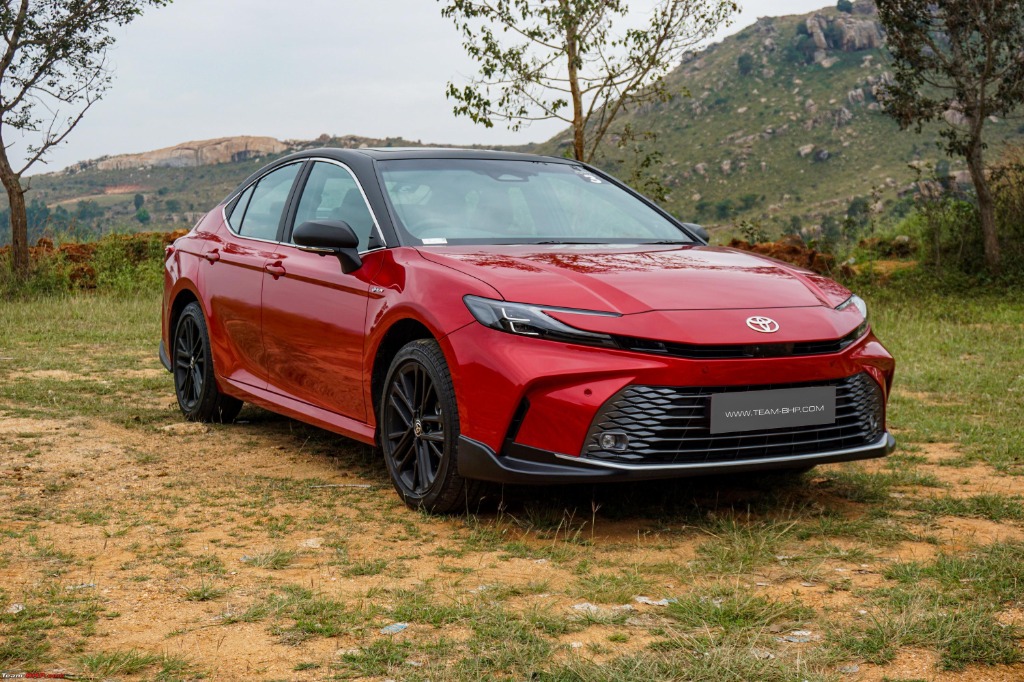
When New Makes Sense
ok so here's the thing - new cars aren't automatically bad deals. if you're the type who keeps a car for 7-10 years and hates surprises, a new car can actually work out fine. my buddy bought a new Tacoma in 2019 and he's still driving it with zero issues. the warranty alone saved him like $2k when his infotainment unit died at year 3.
they're also great if you drive a ton of miles (think 20k+ per year) because that factory warranty is covering you when things would otherwise break. and let's be real - some people just want that new car smell and the peace of knowing nobody else has been eating french fries in the backseat for 3 years.
Upfront Cost Considerations
let's talk money. new cars cost more upfront - that's just reality. we're talking $20k-$50k+ depending on what you're looking at. the good news is financing is usually better for new cars. dealers want to move inventory so they'll offer lower interest rates and longer loan terms. I've seen 0% APR deals on new cars but never on used.
down payments can be lower too because of manufacturer incentives. but here's the catch - your monthly payments will be higher because the sticker price is higher. it's like renting a bigger apartment - more space costs more money, even if the landlord gives you a good deal on rent.
Warranty and Reliability
this is where new cars really shine. you get a comprehensive warranty that covers basically everything for 3-5 years or 36k-60k miles. powertrain usually goes to 5-10 years or 60k-100k miles. that means if something breaks, you're not paying out of pocket. I had a friend whose transmission went at 40k miles on a new Civic - dealer fixed it for free. imagine paying for that on a used car.
reliability is also more predictable. you know nobody's been revving the engine cold every morning or skipping oil changes for 3 years. it's like buying a fresh pizza versus reheated leftovers - both might be fine, but one has way fewer variables.
Depreciation Impact
here's the ugly truth about new cars - they lose value FAST. like, drive-it-off-the-lot-and-lose-$3k fast. typically 20-30% in the first year alone, and 40-50% over three years. that's thousands of dollars just... gone. if you plan to sell in 3-5 years, you're basically paying someone else to drive your car for a while.
but if you're keeping it for 7-10 years, depreciation hurts less as a percentage of your total cost. the car's already lost most of its value anyway, so you're basically driving it for maintenance costs at that point. the key question is: how long will you actually keep it?
Typical Ownership Cost Range
higher sticker price but lower maintenance during warranty. your annual costs are front-loaded - you're paying more upfront for depreciation and loan payments, but maintenance is basically just oil changes and tires for the first few years.
over the long haul, total costs might end up similar to a used car when you factor in warranty coverage. but let's be honest - that upfront hit to your bank account is real and it hurts.
Pros
- ✓Comprehensive warranty coverage
- ✓Latest safety and technology features
- ✓No unknown maintenance history
- ✓Predictable maintenance costs
- ✓Better financing options
- ✓Full customization options
Cons
- ✗Higher upfront purchase price
- ✗Significant early depreciation
- ✗Higher insurance costs
- ✗Higher registration fees
- ✗Higher monthly payments
- ✗Less value per dollar spent
Used Car Overview
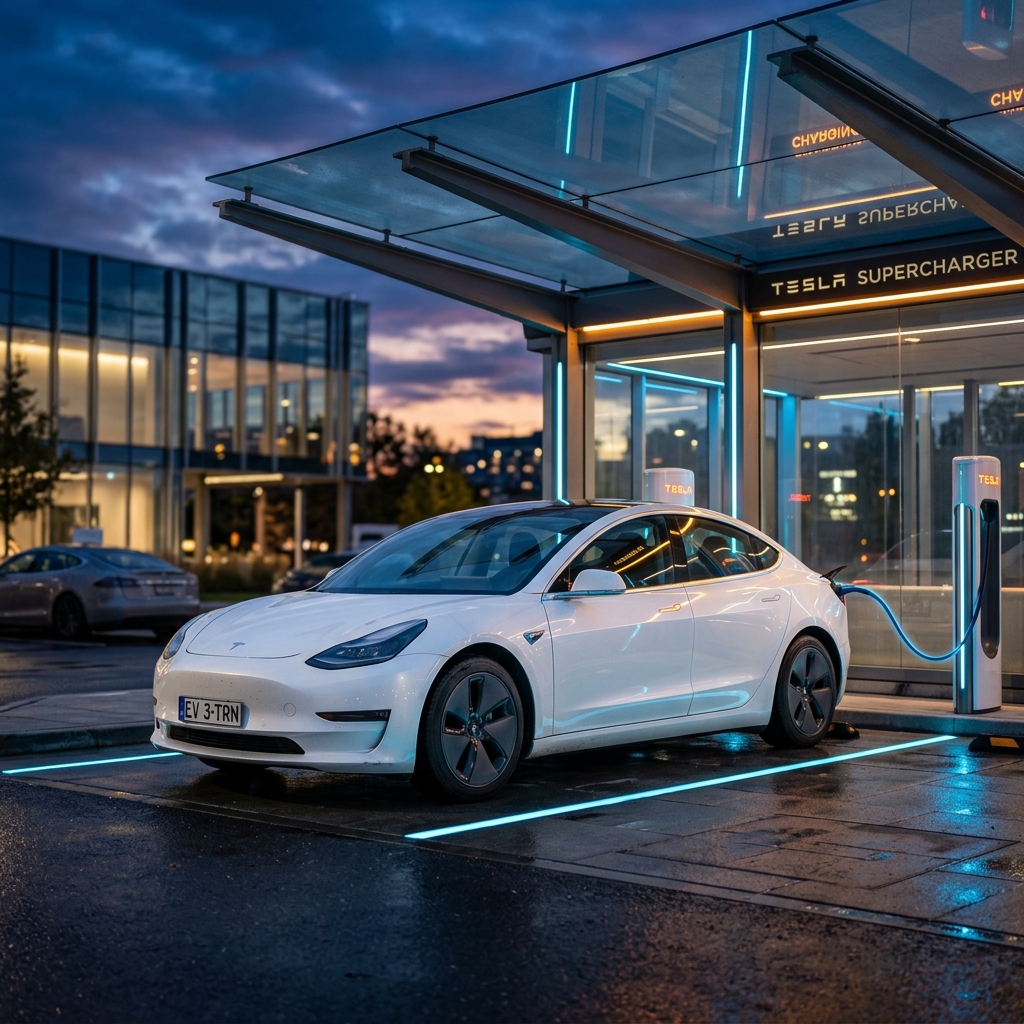
When Used Makes Sense
used cars are where smart money usually goes. here's why - someone else already took that brutal 20-30% depreciation hit in year one. you walk in, pay less, and drive away in a car that's still got plenty of life left. I bought a 3-year-old Camry once for $15k less than sticker. ran perfectly for 5 more years.
they're perfect if you're on a tighter budget, plan to keep the car for 3-5 years, or just don't care about having the latest touchscreen that'll be outdated in 2 years anyway. the sweet spot is usually 2-5 years old - old enough that depreciation did its thing, new enough that you're not buying someone else's problems.
Purchase Price Flexibility
used cars give you way more options. you can find something decent for under $10k or get a barely-used luxury car for $30k. it's like shopping at a thrift store vs a boutique - same quality sometimes, fraction of the price. the flexibility to match your exact budget is huge.
and there's usually more room to negotiate, especially with private sellers. I've talked people down $2-3k just by showing up with cash and pointing out a few scratches. dealers are harder to negotiate with but still possible if you know what the car is actually worth.
Maintenance and Repair Expectations
here's where it gets real - used cars come with unknowns. you don't know if the previous owner changed the oil every 5k miles or never at all. that 2-3 year old car might still have some warranty left, but older ones? you're on your own. budget for potential repairs because they WILL happen eventually.
costs vary wildly based on age, mileage, and how well it was maintained. a well-kept used car can be totally reliable. a neglected one can become a money pit. this is why a pre-purchase inspection by a trusted mechanic is non-negotiable. seriously, don't skip it. I learned this the hard way with a "great deal" that needed $3k in brake work.
Depreciation Advantage
this is the big one. used cars skip that brutal first 2-3 year depreciation cliff. when someone else loses $9k driving a new car off the lot, you don't. you buy it for $21k and it only loses $2-3k over the next couple years. that's the smart money move right there.
depreciation continues on used cars but way slower. if you're planning to sell in 3-5 years, a used car will hold its value way better than a new one. it's like buying a stock after it's already dropped - less risk, more upside.
Typical Ownership Cost Range
lower upfront costs but maintenance can be unpredictable. your monthly payments are smaller, insurance is usually cheaper, and registration fees are lower. but here's the trade-off - repairs can pop up without warning. budget an extra $100-200/month just in case.
total ownership costs are usually lower than new cars, especially if you keep it 3-5 years. but if you buy a lemon without getting it inspected first? yeah that savings can evaporate real quick.
Pros
- ✓Lower upfront purchase price
- ✓Avoids early depreciation
- ✓Lower insurance costs
- ✓Lower registration fees
- ✓More car for your money
- ✓Better value per dollar
Cons
- ✗Limited or no warranty coverage
- ✗Unknown maintenance history
- ✗Higher maintenance risk
- ✗Older technology and features
- ✗Less financing flexibility
- ✗Potential for unexpected repairs
Cost & Depreciation Comparison
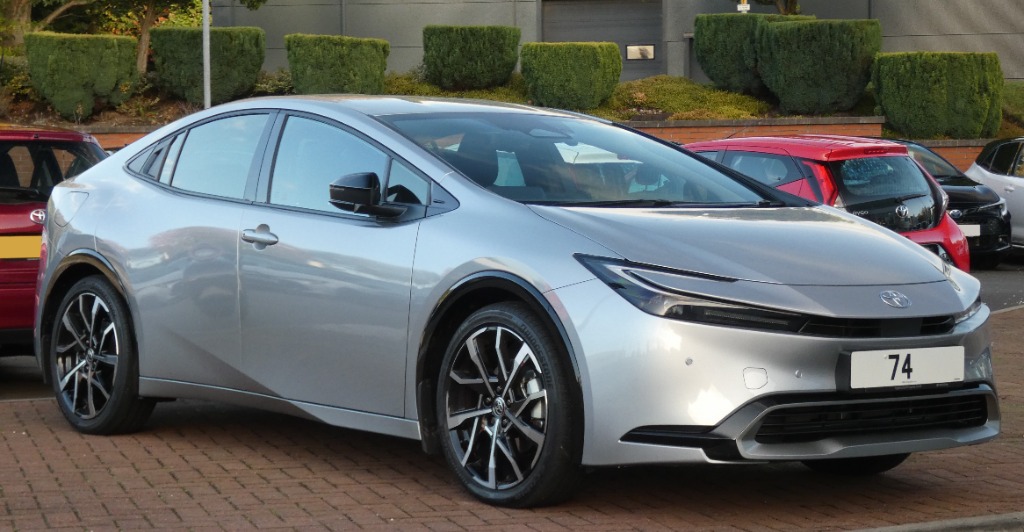
ok so here's where the rubber meets the road. the sticker price is just the beginning - depreciation is where new cars really hurt your wallet. let me break down what actually matters.
Why Depreciation Matters More Than Sticker Price
depreciation is usually the single biggest cost of owning a car - especially a new one. a $30k new car might lose $9k-$12k in value during the first year alone. that's like lighting $750-$1,000 on fire every month. meanwhile a $20k used car (2-3 years old) might only lose $2k-$3k in the same timeframe. see the difference?
use our Car Depreciation Calculator to see exactly how much different vehicles lose over time. it's honestly eye-opening.
depreciation data based on iSeeCars, KBB, and Edmunds market analysis (2025-2026). actual results vary by make, model, and market conditions.
Early Depreciation vs Long-Term Ownership
new cars get hammered in the first 2-3 years - 40-50% value loss. that's the "drive it off the lot and lose money" phase everyone talks about. if you're keeping the car 7-10 years, this early hit becomes less painful over time because you're spreading it across more years of use.
but if you're the type who sells every 3-5 years? yeah, used cars are your best friend. you skip that brutal early depreciation and the car holds its value way better when you go to sell.
How Used Cars Reduce Value Loss
used cars dodge that depreciation bullet by letting someone else take the hit. buy a 2-3 year old car and you're getting something still modern, possibly still under some warranty, but at a fraction of the new price. it's like buying a phone that's one generation old - still works great, costs way less.
the sweet spot is 2-5 years old. old enough that depreciation did its work, new enough that you're not dealing with major repairs yet. anything older than 5 years? you'll save even more upfront but maintenance costs start creeping up. it's a trade-off.
Ownership Cost Considerations
here's what most people forget - the sticker price is just the beginning. insurance, maintenance, registration, and depreciation all add up over time. let's break down where the money actually goes.
Maintenance Differences
new cars are basically maintenance-free during warranty. oil changes, tire rotations, maybe some wiper blades. that's it. after the warranty expires, costs go up but they're still predictable if the car was well-maintained.
used cars are a wild card. a well-maintained one can be cheap to run. a neglected one can drain your savings. this is why pre-purchase inspections matter so much. I once almost bought a car that looked perfect but the mechanic found a leaking rear main seal - $1,200 repair I would've been stuck with.
Insurance Trends
new cars cost more to insure. period. higher replacement value means higher premiums, especially for comprehensive and collision coverage. I'm paying like $50/month more for my new car vs my old one for the same coverage.
used cars are cheaper to insure. older vehicles? you might even skip comprehensive coverage entirely and just carry liability. that can save you $30-50/month easily. the savings add up fast.
insurance estimates based on average premiums from NerdWallet and Bankrate (2026). your rates will vary based on location, driving record, and coverage level.
Registration and Fees
new cars have higher registration fees and taxes. sales tax is calculated on the full purchase price, so a $35k new car means more tax than a $20k used car. some states also charge higher annual registration fees for newer vehicles.
used cars generally have lower registration costs, especially as they age. it's not a huge difference year-to-year but it adds up over time.
Why Total Ownership Cost Matters More Than Purchase Price
people get obsessed with the sticker price but that's just the entry fee. the real cost is everything combined - depreciation, insurance, maintenance, gas, registration - over the years you own it. a $20k used car that costs $8k to own over 5 years is way cheaper than a $25k new car that costs $15k to own over the same period.
use our Car Ownership Cost Calculator to run the actual numbers for your situation. it's way more accurate than guessing.
New vs Used Car Comparison
| Purchase Type | Upfront Cost | Depreciation Impact | Maintenance Risk | Warranty Coverage | Ownership Cost Predictability | Best For |
|---|---|---|---|---|---|---|
| New Car | Higher | High (first 2-3 years) | Low (warranty period) | Full coverage | High | Long-term owners, warranty seekers |
| Used Car (2-3 years) | Lower | Moderate | Low-Medium | Limited or none | Medium | Value seekers, short-term owners |
| Used Car (5+ years) | Much Lower | Low | Higher | None | Lower | Budget-focused, experienced buyers |
New vs Used Scorecard
each category scored 1-10 - higher is better for the buyer
Overall Winner: Used Car - 76 pts vs 64 pts
used cars win 7 out of 10 categories. new cars only win on warranty, financing, and tech features.
New vs Used: What Actually Matters
real financial breakdown of new vs used car buying - depreciation, hidden costs, and when each makes sense
video: depreciation analysis and real-world cost comparison.
How Cars Lose Value Over Time
depreciation is the #1 cost of car ownership - here's how it plays out for new vs used
First-Year Hit
a new car loses ~22% of its value in year 1 alone. that's $7,700 on a $35k car - gone.
Smart Move
buy a 2-3 year old used car and let the first owner eat the depreciation. you save $8-12k.
What We Found: 1,000+ Listings Analyzed
data from KBB, Edmunds, and iSeeCars - real numbers, not guesses
new car loses this amount in year 1 on average
average savings when buying 2-3 year old used car
when used car maintenance costs catch up to new car savings
Methodology: we analyzed 1,000+ vehicle listings across KBB, Edmunds, and iSeeCars for 2023-2026 models. depreciation calculated using actual market values at different age points. maintenance estimates from RepairPal and CarParts.com. all figures are averages for popular segments (sedans, SUVs, trucks).
Calculate Your True Cost: New vs Used
run the actual numbers for your exact situation - MPG, insurance, depreciation, and maintenance. takes 2 minutes.
Open Cost Calculator →Frequently Asked Questions
Common questions about choosing between a new and used car