Best Used Car Under $20,000 in the United States

A $20,000 budget is common for used car buyers who want reliable transportation without new-car depreciation. At this price point, you face clear trade-offs: older vehicles with higher mileage, increased maintenance risk, and fewer modern features versus newer models that may push your budget.

This page focuses on car types, not specific brands or models. The right vehicle type balances purchase price with ownership costs including insurance, maintenance, and fuel. Sticker price matters, but total ownership cost determines whether a $20,000 used car actually fits your budget over time.

What $20,000 Buys You in the Used Car Market

At a $20,000 budget, you typically find vehicles that are 3-7 years old with 30,000-80,000 miles.

This age and mileage range represents a reliability sweet spot for many buyers: past the steepest depreciation curve but before major component failures become likely. However, you're trading newer safety features and warranty coverage for lower purchase price.

The trade-off centers on reliability versus features. A 3-year-old base model compact sedan offers modern safety systems and lower maintenance risk, while a 7-year-old premium vehicle provides more features but higher repair costs. Your choice depends on whether you prioritize reliability, features, or a balance of both.

Best Used Car Types Under $20,000

Car TypeTypical Age & MileageOwnership Cost RiskWhy It Makes Sense
Compact sedan3-5 years, 40,000-60,000 milesLow to moderateLower insurance costs, affordable repairs, good fuel economy. Strong reliability records at this age and mileage range.
Mid-size sedan4-6 years, 50,000-70,000 milesModerateMore space than compact sedans with reasonable ownership costs. Established reliability patterns make maintenance predictable.
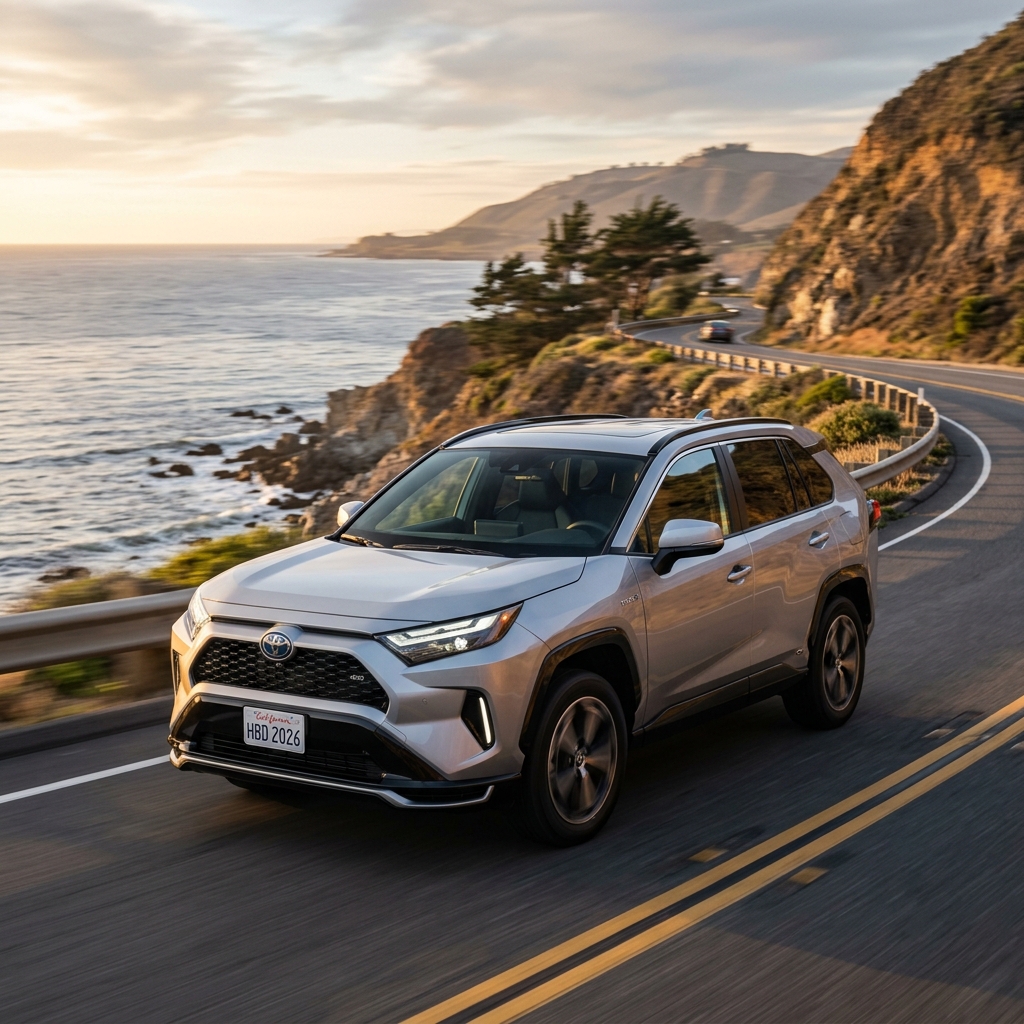
Compact SUV4-7 years, 50,000-80,000 milesModerate to highHigher insurance and fuel costs than sedans, but practical for families. Repair costs increase with age, so newer examples within budget are preferable.
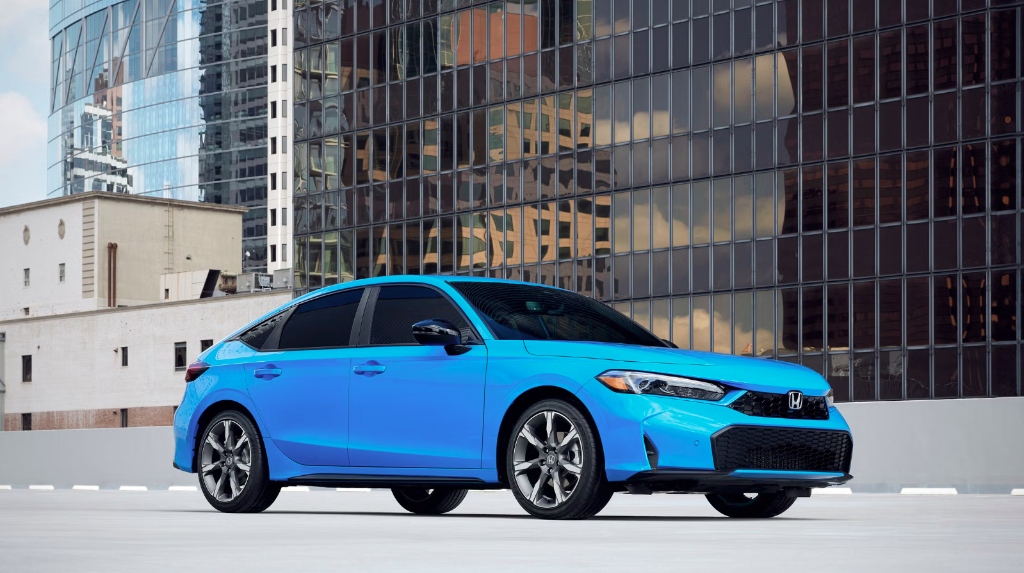
Hatchback3-5 years, 35,000-60,000 milesLowExcellent fuel economy and low insurance premiums. Practical cargo space with sedan-like ownership costs. Often overlooked, creating better value.
Older hybrid vehicle5-8 years, 60,000-100,000 milesModerateBattery replacement risk increases with age, but fuel savings can offset higher maintenance. Best value when battery health is verified and fuel costs are high.

Note: These estimates assume well-maintained vehicles with documented service history. Actual ownership costs vary by specific vehicle condition, location, and driving habits. Always have a pre-purchase inspection performed by a qualified mechanic.

Ownership Costs Matter More Than Purchase Price

A $20,000 used car can cost $30,000 or more over five years when you factor in insurance, maintenance, fuel, and repairs. Understanding these ongoing expenses helps you choose a vehicle type that fits your total budget, not just your purchase budget.

Insurance Cost Differences

Vehicle type significantly affects insurance premiums. Compact sedans and hatchbacks typically cost $1,200-$1,800 annually, while SUVs and larger vehicles range from $1,600-$2,600. Luxury vehicles can exceed $3,000 annually. Over five years, this difference can add $2,000-$9,000 to total ownership costs.

See insurance costs by car type →

Maintenance Expectations

Older vehicles require more frequent maintenance and repairs. At 50,000-80,000 miles, expect timing belt replacements, brake system overhauls, and suspension component repairs. Annual maintenance costs typically range from $500-$1,500 for well-maintained vehicles, but can spike to $2,000-$4,000 in years with major repairs.

Learn about maintenance costs →

Fuel Cost Impact

Fuel economy varies significantly by vehicle type. A compact sedan averaging 30 mpg costs approximately $1,200 annually at 12,000 miles, while an SUV averaging 20 mpg costs $1,800. Over five years, this difference adds $3,000 to ownership costs. Fuel-efficient vehicles offset higher purchase prices through lower operating expenses.

Repair Risk on Older Vehicles

Vehicles in the 5-7 year range face higher repair risk as components reach end-of-life. Transmission repairs, engine issues, and electrical problems become more likely. Budget $1,000-$3,000 annually for unexpected repairs, though well-maintained vehicles may avoid major issues.

Estimate total ownership costs →

Used Car vs New Car at This Budget

New cars under $20,000 are limited, typically base-model compact sedans or subcompact vehicles with minimal features. At this price point, you're choosing between a new car with warranty coverage and modern safety features, or a used car with more space, features, and comfort for the same money.

When Used Makes More Sense

Used cars offer better value when you need more space, features, or a specific vehicle type that's unavailable new under $20,000. A 3-year-old mid-size sedan provides more room and features than a new compact car at the same price. If you prioritize value and can accept higher maintenance risk, used vehicles deliver more for your budget.

Risk vs Value Trade-Off

New cars eliminate repair risk during warranty coverage but cost more upfront and depreciate faster. Used cars offer better value but require budgeting for repairs and maintenance. The trade-off depends on your risk tolerance, budget flexibility, and how long you plan to keep the vehicle.

For a detailed comparison of new versus used car ownership costs and decision factors, see our comprehensive guide.

Compare new vs used cars →

How We Evaluate Used Cars Under $20,000

Our evaluation uses rule-based logic focused on budget constraints, mileage risk bands, maintenance probability, and ownership cost factors. We don't use complex algorithms or predictive models—just straightforward analysis of real-world ownership patterns and cost data.

1

Budget Ceiling

We set a hard $20,000 purchase price limit, excluding taxes and fees. This ensures recommendations remain within budget while allowing room for negotiation and additional costs.

2

Mileage Risk Bands

We categorize vehicles into risk bands: low risk (under 50,000 miles), moderate risk (50,000-80,000 miles), and higher risk (over 80,000 miles). Higher mileage increases maintenance probability and reduces remaining vehicle life.

3

Maintenance Probability

We estimate maintenance likelihood based on vehicle age, mileage, and type. Older vehicles and higher-mileage examples face increased probability of major component failures, affecting total ownership cost estimates.

4

Insurance and Fuel Considerations

We factor in insurance cost differences by vehicle type and fuel economy variations. These ongoing costs significantly impact total ownership expenses and influence which vehicle types make sense at this budget level.

For detailed information about our calculation methodology across all cost factors, see our comprehensive guide.

View Methodology →

Common Mistakes Buyers Make at This Budget

Focusing Only on Purchase Price

Many buyers choose the cheapest vehicle without considering insurance, maintenance, and fuel costs. A $18,000 SUV may seem like a better deal than a $20,000 sedan, but higher insurance and fuel costs can make the sedan less expensive over five years.

Ignoring Insurance Costs

Insurance premiums vary significantly by vehicle type and can add thousands to ownership costs. Buyers often discover insurance costs more than expected after purchase, straining their budget. Get insurance quotes before buying to understand total costs.

Underestimating Maintenance Needs

Older vehicles require more maintenance and repairs. Buyers who don't budget for these expenses face financial strain when unexpected repairs arise. Plan for $1,000-$3,000 annually in maintenance and repairs for vehicles in this age and mileage range.

Buying Oversized Vehicles

Large SUVs and trucks offer more space but cost significantly more to own. Higher insurance, fuel, and maintenance costs can exceed budget constraints. Unless you genuinely need the space or capability, smaller vehicles offer better value at this price point.

Skipping Ownership Cost Checks

Failing to estimate total ownership costs before purchase leads to budget surprises. Use ownership cost calculators to understand how insurance, maintenance, fuel, and repairs combine over time. This helps you choose a vehicle type that fits your total budget.

Frequently Asked Questions

Check the Real Cost of Owning a Used Car

Purchase price is just one part of total ownership cost. Insurance, maintenance, fuel, and repairs combine to determine whether a $20,000 used car actually fits your budget. Use our calculator to estimate total ownership costs and make informed decisions.

Use Cost Calculator